


Download Your Mindset Upgrade: Creating Self-Help Digital Toolkits


Kickstart your transformation toolkit today! Outline your first self-help digital toolkit, design it with impact, and make it available for download—start empowering others and earning from your expertise.
Step into a stylish, engaging guide that shows you how to craft and sell high-value self-help digital toolkits. From mental clarity to life strategy templates, you'll learn to build polished resources that deliver transformation—and passive income.
Table of Contents
1. Why Self‑Help Toolkits Hit the Mark
These toolkits succeed because:
High-demand niche: Self-help and mental wellness market projected to exceed $45B by 2024 and grow nearly 8% annually
Digital downloads = instant access: Buyers value immediate, guided support that works on their schedule.
Toolkits add structure: Users want exercises, trackers, and reflection prompts—not just inspiration.
Coaching toolkits empower users to take control—and that perceived value makes them powerful sellers.
2. Defining Your Toolkit & Strategy Templates

Create your toolkit with purposeful strategy:
Pick your niche: Options include mindset clarity, resilience, goal planning, habit development.
Outline core assets: Worksheets, progress trackers, guided journals.
Base formats: Use proven frameworks—SMART goals, journaling prompts, accountability checklists.
Add depth: Include onboarding explanation and usage guidance for better results.
Define what success looks like—for both you and your toolkit’s users.
3. Designing With Intent
Effective design builds trust and usability:
Tools to use: Canva for ease, InDesign for advanced layouts
Consistent branding: cohesive fonts, colors, and iconography
Readable formatting: plenty of white space, clear prompts, intentional layout
Deliverables: Export as PDF, optional fillable form versions
A well-designed toolkit speaks volumes—encouraging repeat use and positive reviews.
4. Packaging, Pricing & Licensing
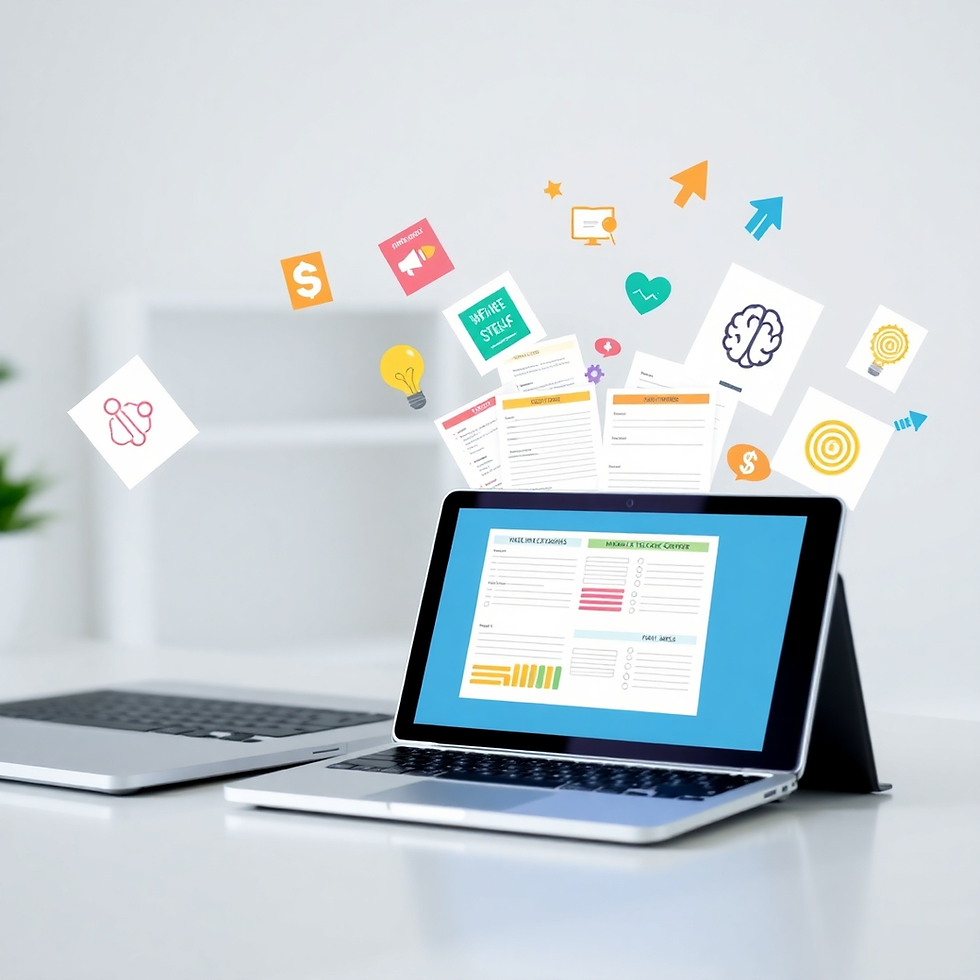
Maximize revenue with smart packaging:
Pricing tiers:
Starter ($10–20): core worksheets
Complete ($40–60): bonus guides, trackers
VIP ($100+): coaching session or group access
License terms: clarify personal vs. client or commercial use
Free sample page: build leads via email offers
Bundle combinations: e.g., mindset + productivity + stress bundle
Tiers offer flexibility and upsell opportunities.
5. Where to Sell & Setup
Platform options:
Platform | Pros | Cons |
Etsy | Large marketplace, easy listing | Fees & competition (itsjillwise.com, amasty.com) |
Gumroad/Payhip | Instant setup, email integration | Requires self-promotion |
Shopify/Kajabi | Full brand control and funnels | Requires setup and traffic |
Your website | Total customization, memberships | Needs assisted marketing |
Pick 1–2 platforms to start, and expand as your toolkit business grows.
6. Marketing That Moves

Create an effective sales funnel:
Freebie offering: lead magnet to collect emails
Email nurture: a sequence offering value + call-to-action for the full toolkit
Social content: Instagram carousel sneak peeks, Pinterest pins with mockups
Community engagement: share in coaching groups or self-help forums
Content marketing: blog posts like “How to create a morning ritual” featuring your toolkit
Ensure consistent lead generation and audience engagement.
7. Scaling for Long-Term Growth
Scale your toolkit business by:
Releasing themed series (stress, confidence, career transitions)
Membership model: monthly new worksheets or community access
White-label licensing for coaches and trainers
Add-on offers: live Q&A sessions, digital courses, or prints
Seasonal updates: holiday resets, annual planning toolkits
Evolve your offering from a standalone product into a recurring coaching brand.
Conclusion
Building and selling self-help digital toolkits is a powerful way to impact lives and generate passive income. Start small—with defined value—and scale strategically.
✅ Your Action Plan:
Clarify your niche and toolkit content
Design 3–5 polished worksheets/pages
Package smartly with clear tiers & license
List on Etsy or Gumroad, include a freebie
Promote via email, social, and content channels
Plan your second toolkit or membership offer
Begin today—draft your first toolkit page tonight and take the first step toward creating meaningful change and income!


Comments