


How to Keep Food Fresh While Camping in the Wild


Camping in the wild offers incredible freedom and connection with nature, but it also presents the challenge of keeping your food fresh without the convenience of refrigeration. Whether you’re planning a weekend getaway or an extended adventure, knowing how to maintain your supplies is crucial for safety, taste, and enjoyment.
👉 Call to Action: Ready to master the art of food storage on your next camping trip? Learn practical tips and smart strategies to keep your food fresh while camping in the wild, so you can focus on fun without worrying about spoilage.
Table of Contents
1. Understanding the Challenges of Food Freshness Outdoors
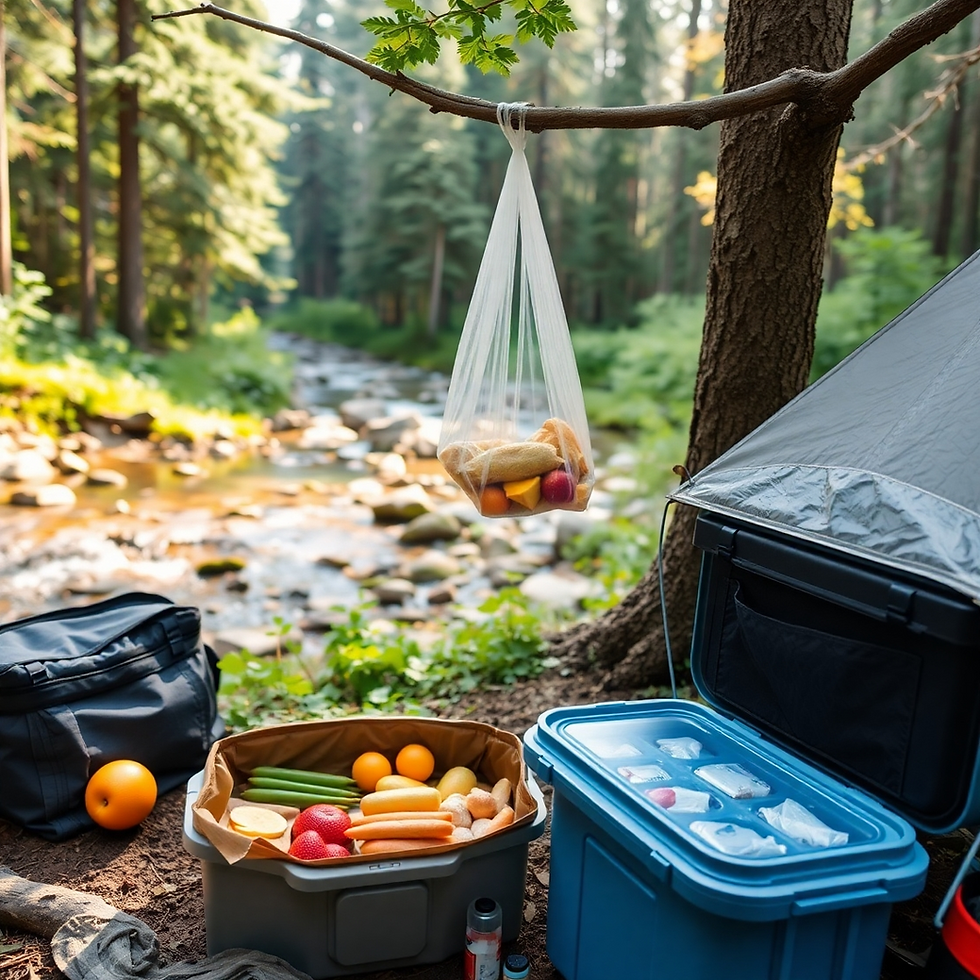
Keeping food fresh while camping in the wild can be tricky because you lack standard refrigeration and encounter varying weather conditions. Heat, moisture, bugs, and wildlife all contribute to quicker spoilage if you’re not careful.
Temperature fluctuations cause foods to go bad faster, especially meats and dairy.
Humidity promotes mold and bacteria growth.
Wildlife and insects can contaminate or consume your food supplies.
Limited water supply can restrict cleaning and rinsing options.
Understanding these challenges helps you prepare and protect your food effectively.
2. Essential Gear for Keeping Food Fresh

Investing in the right gear is your first defense against spoilage:
Gear Type | Purpose | Tips for Use |
Coolers | Keeps perishables cold for extended periods | Use ice packs, dry ice, or frozen water bottles for longer cooling |
Airtight Containers | Protects food from moisture and pests | Choose BPA-free, stackable containers for efficiency |
Insulated Bags | Maintains temperature for shorter trips | Combine with ice packs for best results |
Food Storage Bags | Ideal for hanging food away from animals | Use durable bags and hang them at least 12 feet off the ground |
Portable Fridges | Battery or solar-powered cooling solution | Great for longer trips or car camping |
Using this gear correctly can significantly extend the freshness of your food.
3. Smart Packing Techniques and Storage Tips

How you pack your food influences how well it stays fresh:
Separate perishables and non-perishables: Keep fruits and vegetables apart from raw meats to avoid cross-contamination.
Use portion-sized bags: Pre-portion meals to avoid repeatedly opening containers.
Keep coolers shaded: Place coolers in a shaded area and cover with a reflective tarp to reduce heat exposure.
Pack ice strategically: Place ice packs on top and bottom of cooler contents to maintain even cooling.
Seal everything well: Prevent leaks and odors by using airtight bags and containers.
These packing strategies enhance the efficiency of your food storage system outdoors.
4. Natural and Safe Ways to Preserve Food While Camping

Beyond gear, nature offers preservation techniques:
Cool stream or river storage: Place sealed containers in cool running water to keep items chilled (monitor for leaks).
Use natural insulation: Wrap food in leaves or moss, which can help regulate temperature and humidity.
Dry and smoke foods: Dry jerky or smoke fish/meat beforehand to extend shelf life.
Salt curing: Pre-cure meats with salt or brine to slow bacterial growth.
Herb preservation: Use fresh herbs like rosemary or sage which have natural antimicrobial properties.
These traditional methods complement modern tools for keeping food fresh in the wild.
5. Avoiding Common Food Spoilage Mistakes

Even experienced campers sometimes slip up. Avoid these pitfalls:
Leaving coolers open too long, letting warm air inside
Mixing raw and cooked foods in the same container
Forgetting to dry or drain moisture from leafy greens before storage
Overpacking coolers without proper airflow
Not using ice or refrigeration for perishables beyond recommended time
By being mindful of these mistakes, you can keep your food safe and fresh longer.
Conclusion
Knowing how to keep food fresh while camping in the wild is essential for a safe, enjoyable outdoor experience. Combining the right gear with smart packing, natural preservation methods, and an understanding of spoilage risks ensures your meals stay delicious and nutritious no matter how remote your adventure.
Get ready to embrace the wild with confidence—your well-preserved food awaits!
Are you planning a camping trip soon? Start applying these tips on how to keep food fresh while camping in the wild and enjoy every bite of your outdoor meals!


Comments