


Launching a Cultural Clothing Rental Store for Events & Weddings


Cultural clothing has always played a central role in celebrating identity, tradition, and special milestones. However, purchasing elaborate garments for one-time use—especially for weddings, religious functions, or community festivals—can be expensive and impractical. That’s where a cultural clothing rental store for events and weddings offers a smart, stylish, and sustainable solution.
Whether you want to provide embroidered saris, sherwanis, qipaos, agbadas, or hanboks, this business idea has wide appeal in diverse, multicultural communities. The fashion rental industry is booming, and the demand for authentic, occasion-specific attire is rising—especially in urban hubs with large diasporas like Queens, New York or Toronto.
👉 Call to Action: If you're looking for a unique, culturally rich business that blends tradition with modern retail trends, now is the time to explore how launching a cultural clothing rental store for events and weddings can set you apart.
Table of Contents
1. Understanding the Cultural Clothing Rental Market

The market for cultural clothing rental is gaining momentum thanks to these key trends:
Why It Works:
Cost Efficiency: Buying designer-level traditional wear for one-time events can cost hundreds to thousands of dollars.
Cultural Access: Rentals allow customers to participate in cultural ceremonies even if they don’t own the proper attire.
Sustainability: Fashion rental reduces waste and extends the lifespan of artisanal garments.
Who Shops Here:
Wedding guests (local and international)
Members of bridal parties
Tourists attending cultural festivals
People participating in ceremonies like Eid, Diwali, Chinese New Year, or traditional African weddings
Use a data-backed approach to research local demographics and find out which cultures are most represented in your area. Queens, for example, would benefit from South Asian, East Asian, and Latin American garments.
2. Building an Inventory That Reflects Global Cultures

Your inventory is the heart of your business. Authenticity, quality, and cultural sensitivity are key.
Inventory Planning Table:
Region | Garments to Include | Occasions |
South Asia | Sarees, lehengas, sherwanis, dupattas | Weddings, Diwali, Eid |
East Asia | Qipaos, hanboks, kimonos | Lunar New Year, tea ceremonies |
Africa | Agbadas, dashikis, kente gowns | Traditional weddings, parties |
Middle East | Abayas, kaftans, thobes | Eid, weddings |
Latin America | Huipils, polleras, folkloric costumes | Quinceañeras, festivals |
Partner with local tailors and cultural artisans to ensure the garments are true to tradition. Display information cards or QR codes that explain the history and significance of each garment.
3. Designing the Rental Process: Fit, Function & Flexibility
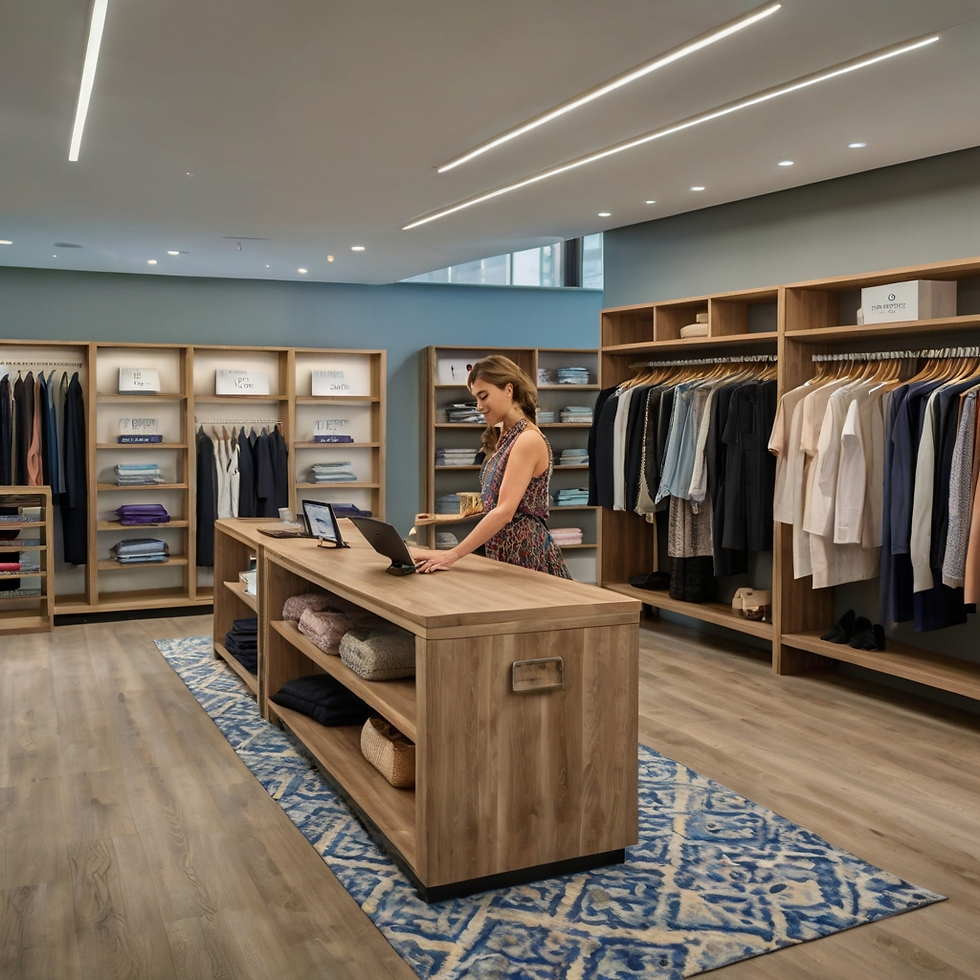
Your rental model must be seamless, flexible, and customer-friendly. Convenience is key.
Key Rental Process Features:
In-Store or Online Booking
Try-On Appointments with Stylists
Digital Contracts with Return Dates
Alteration Services for Temporary Tailoring
Pickup & Drop-off Options (with Late Fee Policy)
Sample Rental Pricing:
Garment Type | Rental Price (3–5 Days) |
Bridal Lehenga | $200–400 |
Sherwani | $100–250 |
Kimono/Qipao | $80–150 |
Agbada or Kente Set | $90–180 |
Offer premium packages that include dry cleaning, fitting, accessories, and personal styling.
4. Marketing to Multicultural Communities

A cultural clothing rental store must build strong trust in multicultural neighborhoods. Marketing isn’t just about visibility—it’s about belonging.
Marketing Tips:
Partner with Event Planners: Bridal shows, religious leaders, and cultural event organizers can refer clients.
Host Community Events: Fashion shows, cultural styling demos, or “How to Drape a Sari” nights.
Multilingual Advertising: Flyers and digital ads in multiple languages (Hindi, Spanish, Mandarin, etc.)
Social Media Focus: Instagram and TikTok for behind-the-scenes styling, transformations, and testimonials.
Referral Program: Give incentives for referrals from satisfied customers.
Make your boutique the go-to solution for anyone needing to rent traditional wedding and festival outfits without buying them.
5. Adding Services: Styling, Tailoring & Delivery

Expand your value by offering premium add-ons that make the experience feel bespoke.
High-Demand Services:
Styling Packages: Includes help with matching accessories, draping, and theme coordination.
Express Tailoring: Same-day adjustments for urgent fittings.
Group Rentals: Discounted packages for families or bridal parties.
Delivery & Pickup: White-glove service for weddings and hotels.
Photography Add-ons: Partner with photographers for styled shoots.
Each extra service enhances the customer experience and adds to your store’s revenue potential.
Conclusion
Launching a cultural clothing rental store for events and weddings isn’t just a business it’s a way to celebrate heritage, community, and creativity. Whether your clients are bridesmaids, grooms, or proud aunts attending their nephew’s engagement party, your store becomes the bridge between tradition and modern convenience.
With thoughtful planning, cultural respect, and stylish execution, you can build a business that truly dresses the part—while uplifting community pride.
Would you like this formatted into a proposal, one-pager, or website copy for your brand?


Comments