


Routine vs. Flow: Finding Your Creative Rhythm in a Noisy World


In today's fast-paced environment, creatives and entrepreneurs often grapple with the challenge of balancing structured routines with the spontaneous bursts of inspiration that fuel their work. While routines provide a framework for productivity, the state of 'flow'—a term coined by psychologist Mihály Csíkszentmihályi to describe complete immersion in an activity—offers a pathway to deep creative engagement . Understanding how to navigate between these two modes can unlock a more sustainable and fulfilling creative process.
Ready to harmonize your daily structure with your creative impulses? Let's explore how to find your unique rhythm.
Table of Contents
Understanding Routine and Flow

Routines are structured sequences of actions that provide predictability and efficiency in daily life. They help in reducing decision fatigue and establishing habits. Flow, conversely, is a psychological state where an individual is fully immersed and engaged in an activity, often leading to heightened creativity and productivity.
Key Differences:
Aspect | Routine | Flow |
Structure | Fixed and predictable | Flexible and spontaneous |
Focus | Task-oriented | Deep immersion in the activity |
Outcome | Efficiency and consistency | Creativity and innovation |
Time Perception | Aware of time | Loss of time awareness |
Balancing these aspects involves recognizing when to adhere to routines and when to allow for the spontaneity that fosters flow.
The Science Behind Flow

Flow is characterized by complete absorption in an activity, leading to a loss of self-consciousness and a distorted sense of time. This state is achieved when there's a balance between the challenge of the task and the individual's skill level .
Characteristics of Flow:
Clear Goals: Understanding what needs to be achieved.
Immediate Feedback: Knowing how well you're doing in real-time.
Balance of Challenge and Skill: Tasks are neither too easy nor too difficult.
Deep Concentration: Focused attention on the task at hand.
Loss of Self-Consciousness: Merging of action and awareness.
Altered Sense of Time: Time seems to pass quickly.
Engaging in activities that align with these characteristics can facilitate entry into the flow state, enhancing both satisfaction and performance.
Strategies to Balance Structure and Spontaneity

Achieving a balance between routine and flow requires intentional strategies:
Time Blocking: Allocate specific times for structured tasks and creative endeavors.
Flexible Scheduling: Allow for adjustments in your routine to accommodate spontaneous inspiration.
Mindful Transitions: Use rituals or short breaks to shift between structured work and creative activities.
Environment Design: Create a workspace that supports both focused work and creative exploration.
Implementing these strategies can help in maintaining productivity while also nurturing creativity.
Creating a Personalized Creative Rhythm
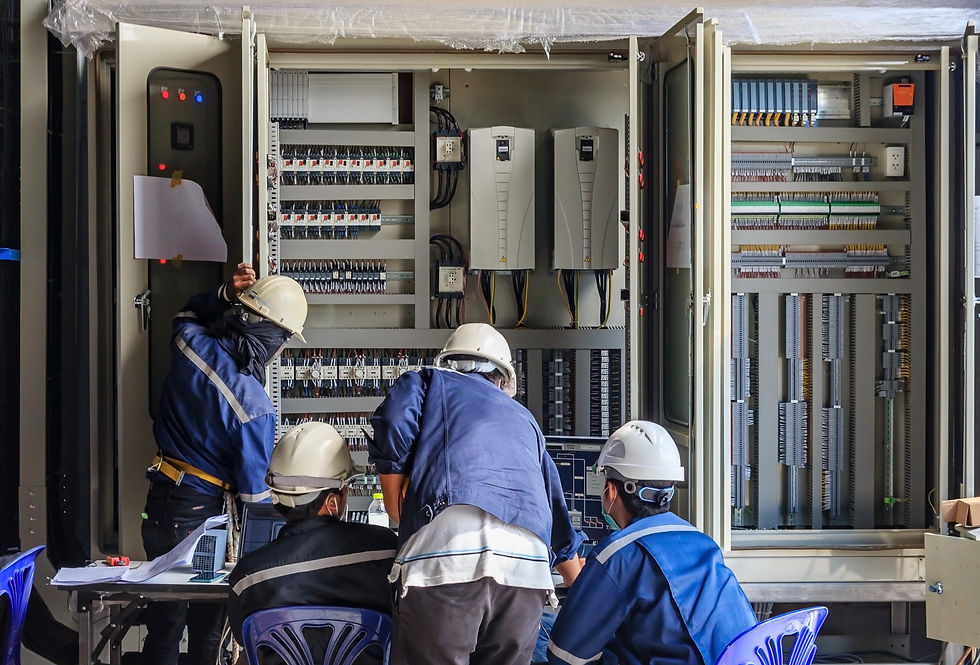
Developing a personalized creative rhythm involves self-awareness and experimentation:
Identify Peak Creative Times: Note when you feel most inspired during the day.
Assess Energy Levels: Understand how your energy fluctuates and plan tasks accordingly.
Experiment with Routines: Try different routines to see what best supports your creativity.
Reflect and Adjust: Regularly evaluate your rhythm and make necessary changes.
By tailoring your schedule to your natural inclinations, you can enhance both productivity and creative output.
Maintaining Your Rhythm Amidst Distractions
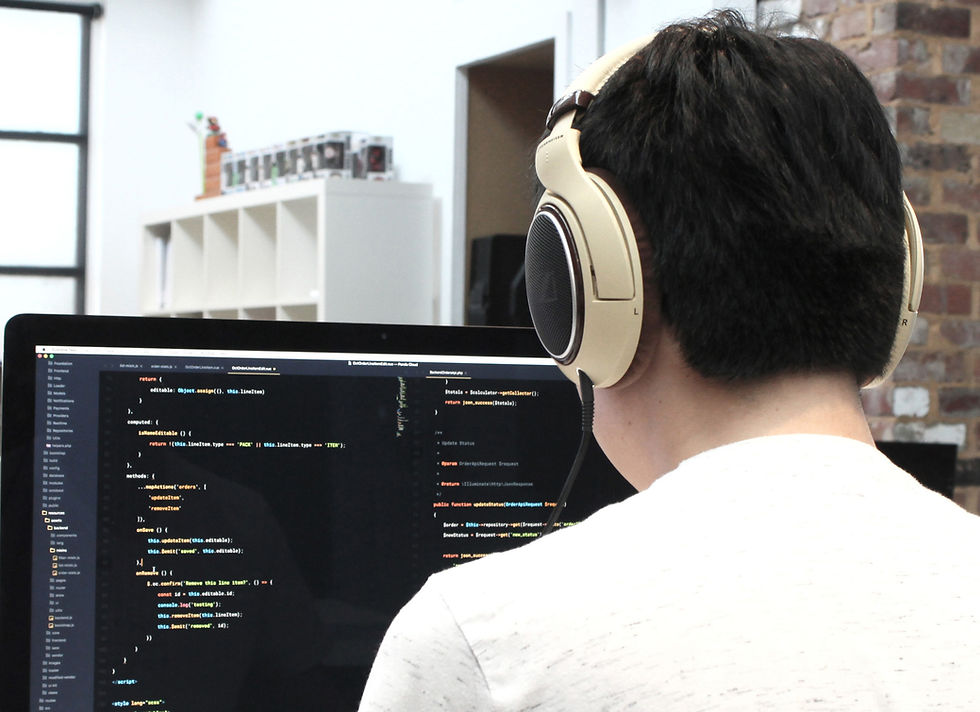
In a world filled with distractions, maintaining your creative rhythm requires deliberate effort:
Set Boundaries: Establish clear work times and communicate them to others.
Limit Digital Interruptions: Use apps or settings to minimize notifications during focused work periods.
Create a Dedicated Workspace: Designate a specific area for creative activities.
Practice Mindfulness: Engage in practices that enhance focus and reduce stress.
These measures can help in preserving the flow state and ensuring consistent creative productivity.
Call to Action
Discover your unique balance between routine and flow. Start by observing your daily patterns, experimenting with different strategies, and adjusting as needed. Embrace the journey of finding a rhythm that harmonizes structure with spontaneity, leading to a more fulfilling creative life.


Comments