


Why a Latin-Asian Grocery Fusion Store Could Thrive in Jackson Heights


Jackson Heights, Queens, stands as one of New York City's most diverse neighborhoods, home to a rich tapestry of cultures, languages, and traditions. With significant populations of South American and South Asian residents, the area boasts a vibrant culinary scene that reflects its multicultural makeup. Despite the abundance of ethnic grocery stores, there's a growing opportunity for a retail venture that combines the flavors and products of Latin and Asian cuisines under one roof.
Call to Action: Entrepreneurs and investors looking to tap into a unique market should consider establishing a Latin-Asian fusion grocery store in Jackson Heights. Such a venture would not only cater to the diverse community's culinary preferences but also serve as a cultural bridge, fostering unity through shared food experiences.
Table of Contents
Cultural Demographics Supporting Fusion Retail

Jackson Heights is renowned for its ethnic diversity. According to recent data, approximately 64.6% of the population identifies as Latino, while 17.4% identify as Asian . This unique blend of cultures creates an ideal environment for a Latin-Asian fusion grocery store, catering to a community that appreciates diverse culinary traditions.
Complementary Culinary Traditions

Latin American and Asian cuisines, while distinct, share several similarities that make fusion both natural and appealing. Both traditions emphasize fresh ingredients, bold flavors, and communal dining. For instance, the use of rice, beans, and spices is prevalent in both cultures. Dishes like Peruvian ceviche and Japanese sashimi highlight a shared appreciation for raw seafood, while Mexican tamales and Chinese zongzi both involve steamed dough filled with savory ingredients.
Market Demand and Consumer Trends

The demand for fusion cuisine is on the rise, driven by adventurous eaters and the influence of social media. Fusion dishes like Korean tacos and sushi burritos have gained popularity, indicating a market ready for innovative culinary experiences. In Jackson Heights, the presence of diverse communities and a younger demographic open to new flavors further supports the potential success of a Latin-Asian fusion grocery store.
Potential Product Offerings

A Latin-Asian fusion grocery store can offer a curated selection of products that blend the best of both worlds.
Product Categories:
Fresh Produce: Yuca, bok choy, plantains, and daikon radish.
Spices & Sauces: Gochujang, mole, soy sauce, and aji amarillo.
Prepared Foods: Sushi rolls with Latin fillings, tamales with Asian-inspired ingredients.
Snacks & Beverages: Wasabi-flavored plantain chips, matcha horchata, and chili mango mochi.
Community Engagement and Cultural Exchange
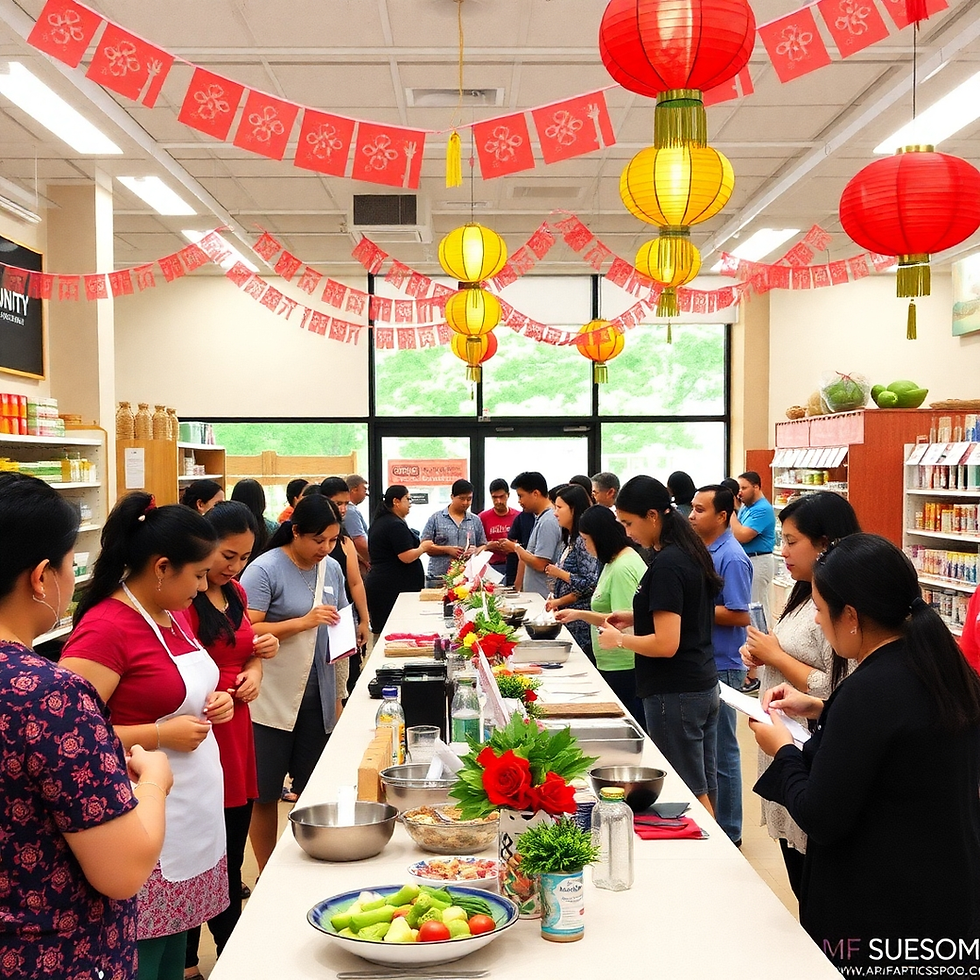
Beyond being a retail space, the fusion grocery store can serve as a community hub. Hosting events like cooking classes, cultural festivals, and language exchange meetups can foster a sense of unity and appreciation among residents. Such initiatives not only promote the store but also strengthen community bonds.
Conclusion
The establishment of a Latin-Asian fusion grocery store in Jackson Heights aligns with the neighborhood's diverse demographics and evolving culinary interests. By offering a unique blend of products and fostering community engagement, such a venture holds the promise of both economic success and cultural enrichment. Entrepreneurs ready to embrace this opportunity can contribute to the vibrant tapestry that makes Jackson Heights a true cultural gem.


Comments